
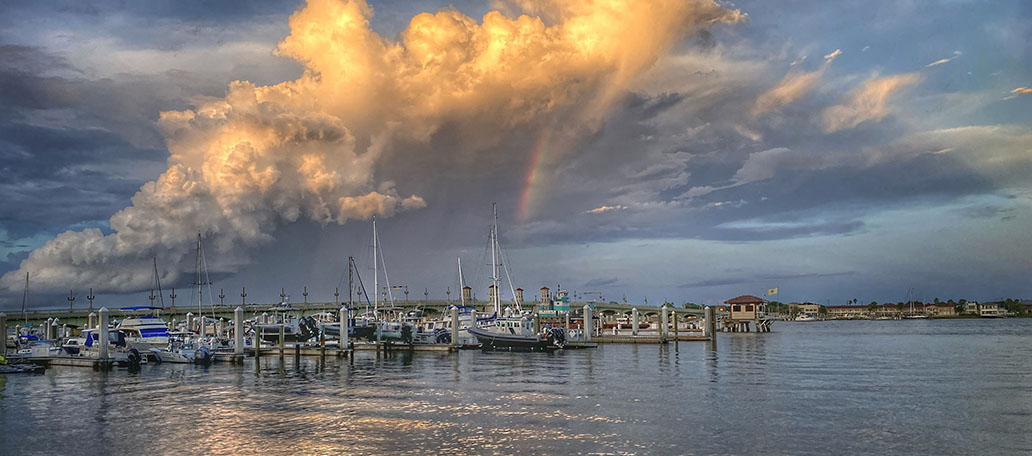
Most photographers are taught to chase the golden hour. That warm, low, flattering light just after sunrise and just before sunset. And it’s beautiful — I’m not going to argue with it.
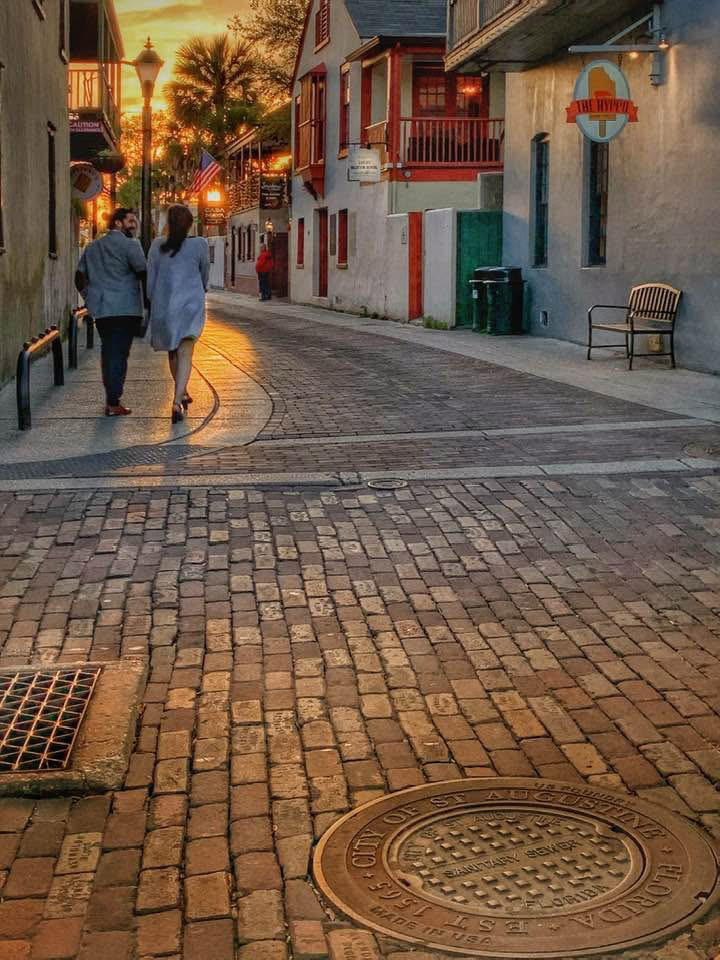
But here’s what changes how you work: light is doing something interesting all day long.
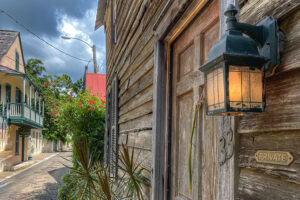
The way a doorway holds shadow while the street beyond it glows.
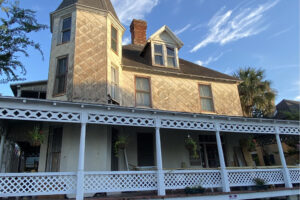
The moment a building’s façade brightens just enough that the sky behind it deepens instead of washing out.
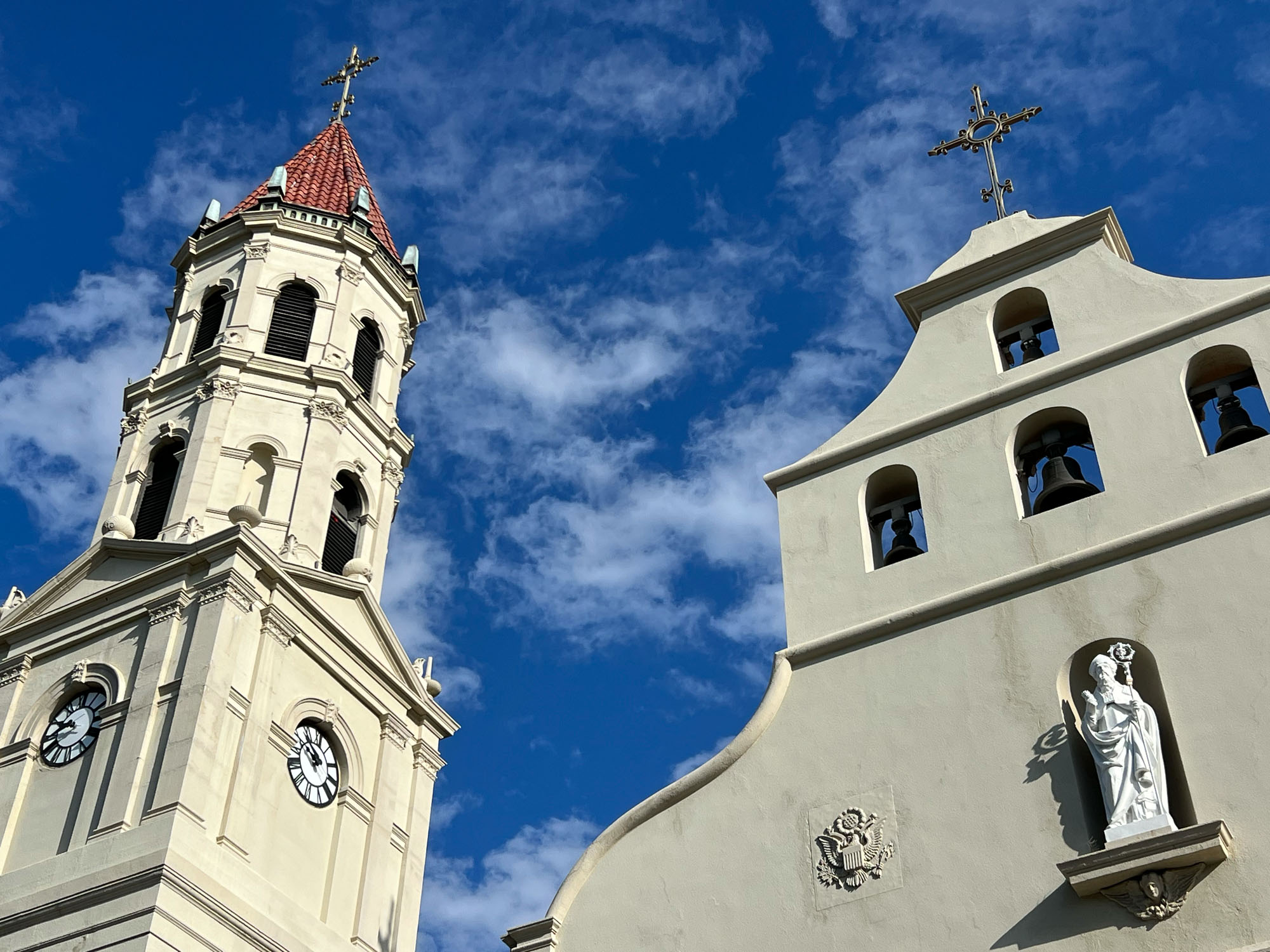
The temperature shift between warm lamplight and the last blue of dusk. These aren’t golden-hour moments. They’re available to anyone willing to look.
The practice I come back to, wherever I am, is this: before I raise the camera, I ask where the light is coming from — and what it’s doing to the surfaces in front of me. Is it separating something from its background? Is it revealing texture? Is it creating depth by leaving part of the scene in shadow?
When you can answer those questions, even roughly, you stop hoping a scene will photograph well. You start understanding why it might — or why you should wait, or move, or come back later.
That’s the difference between photographing a place and photographing a place at the right time.
If you want to practice this way of seeing in a place shaped by light in one of the most beautifully lit historic cities in America, the Complete Saint Augustine Photography Experience was built around exactly this idea — every stop chosen for what the light does there, and when.
Download the free preview and experience three stops for yourself, or get the complete experience.