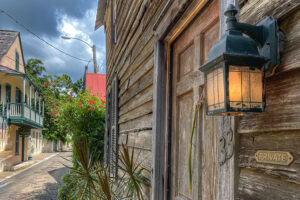

Most photographs fail for a simple reason: nothing has been clearly chosen as the subject.
Something catches our eye. We lift the camera. We make the photograph. But in that moment, we often haven’t decided what the image is really about.
It feels like seeing. But it isn’t quite yet.
The Pause
The process begins with exploration.
We notice something—a doorway, a building, a reflection in a window—and for a moment, our attention pauses. That pause is where the photograph begins.
Not when the shutter is pressed. When the question forms:
What do I want to bring attention to?
The First Answer
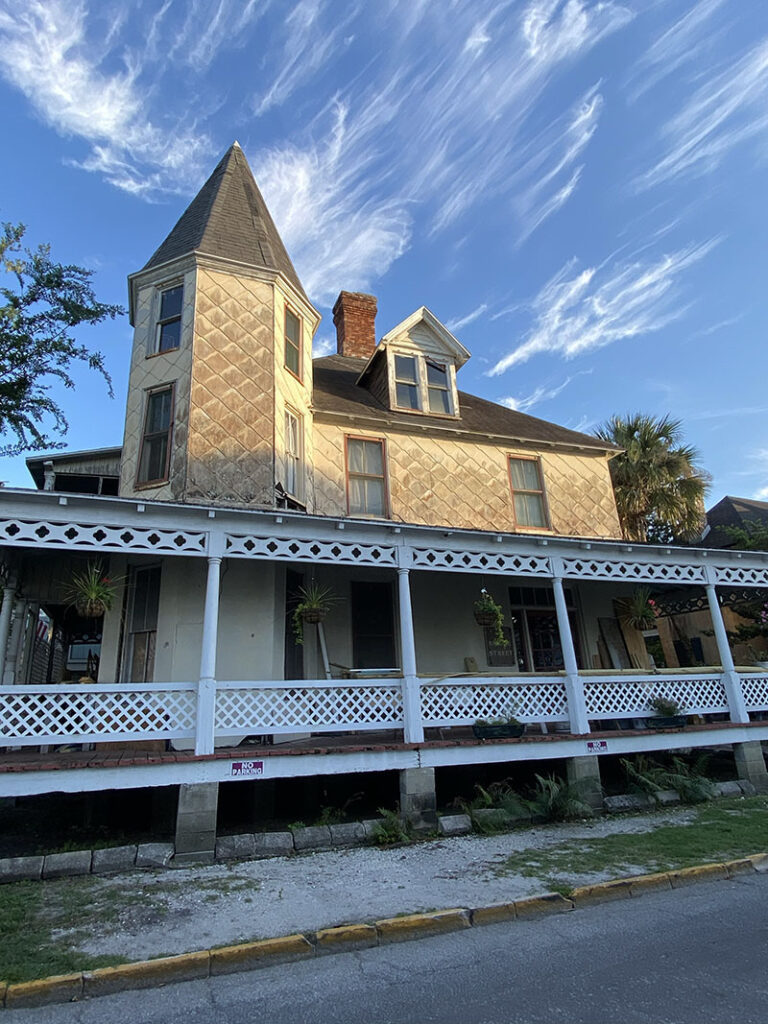
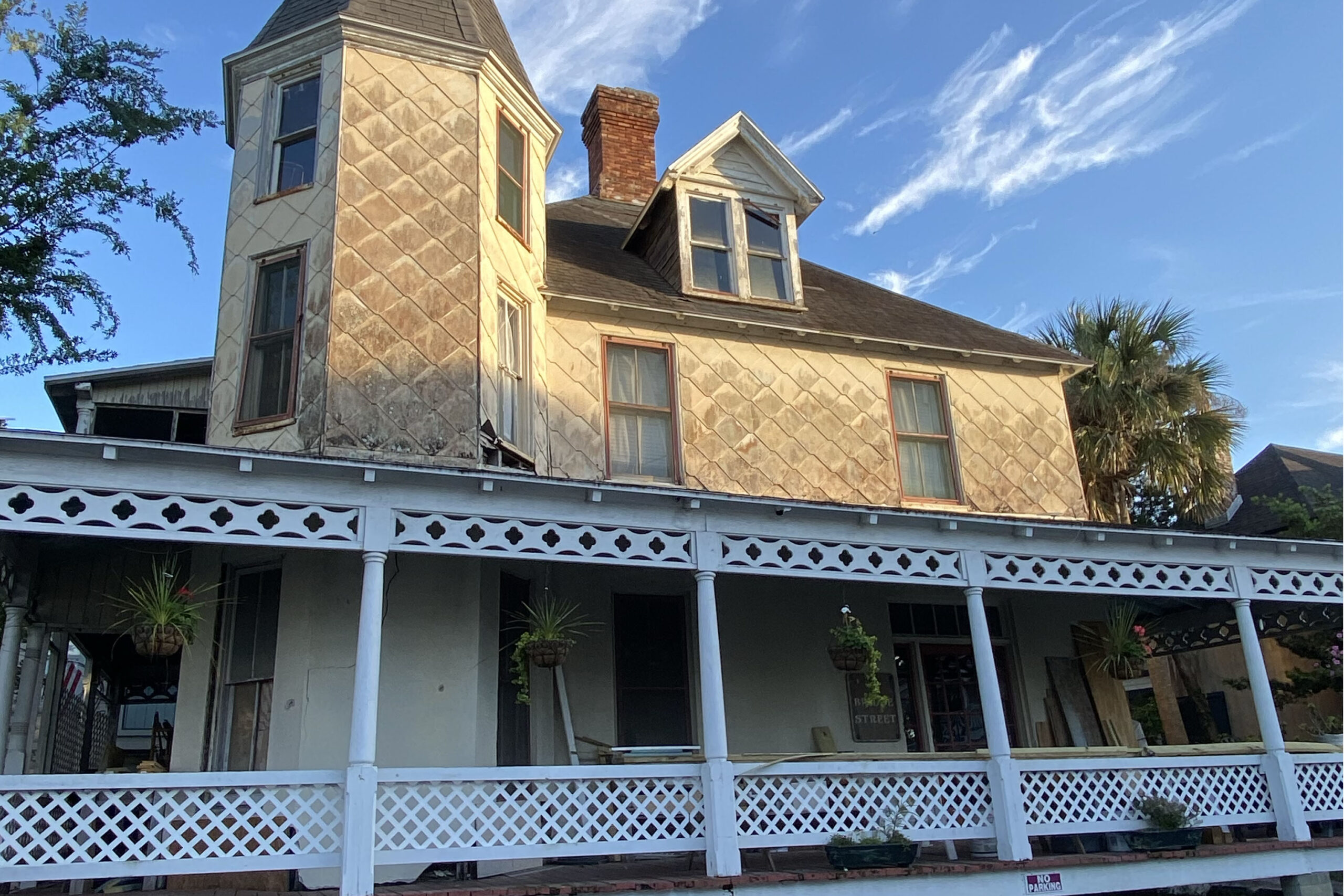
I stopped in front of a house on Bridge Street that I’ve passed many times. It’s beautiful, and it carries a sense of history.
The first photograph is exactly what you would expect—a record of the place.
It answers the question clearly:
This is a photograph of a house.
Looking a Little Longer
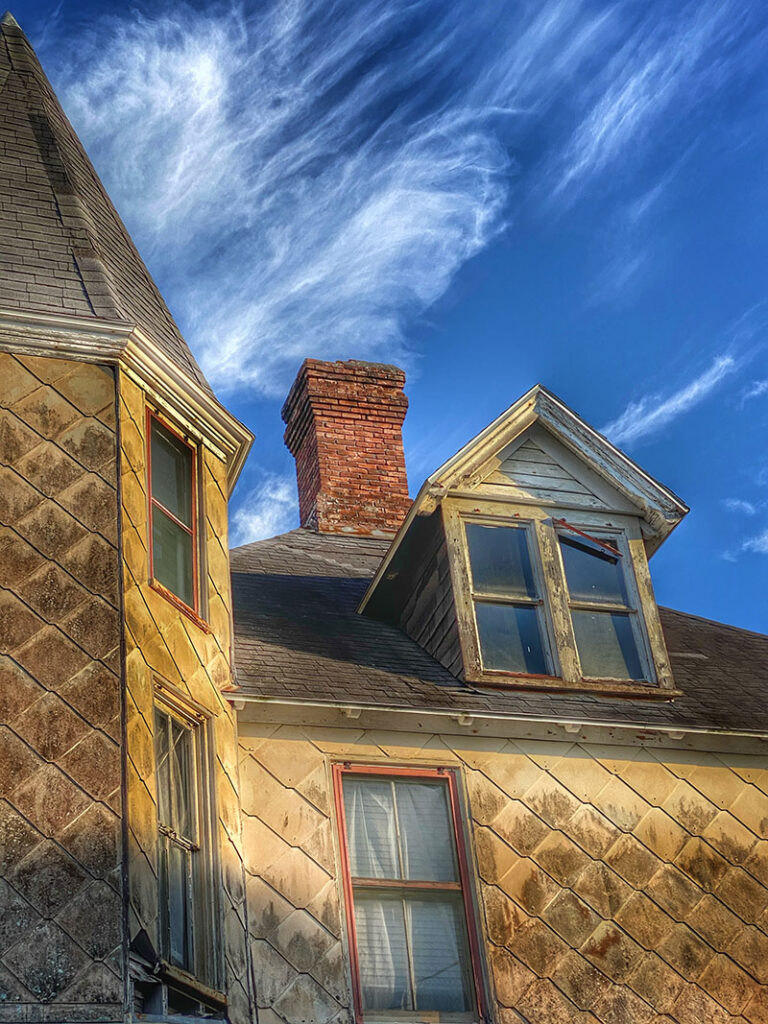
But standing there a little longer, something else began to catch my eye.
Not the house itself, but what was happening across its surface. Reflections, distortions, small shifts in light that began to break the structure apart.
The second photograph came from that moment of noticing.
The angle didn’t change. The location didn’t change. What changed was the decision.
The question was no longer what is this a photograph of?
It became:
What do I want to bring attention to?
What Changes
A photograph can describe a place. Or it can explore it.
The difference is not the scene. It’s the choice you make about what the photograph is really about.
Sometimes the answer is obvious. A doorway. A person. A building in beautiful light.
But sometimes the more interesting answer is quieter. A reflection. A pattern. A moment where the structure begins to dissolve and something else emerges.
Those are the photographs that stay with us.
The Shift
This is where photography moves from recording to creating.
Not because you’ve added something, but because you’ve chosen something.
What to leave in.
What to eliminate.
What to let fall away so something else can take its place.
The scene doesn’t change.
Your attention does.
A Final Question
Before you raise the camera, pause for a moment longer than you think you need.
Ask the question:
What is this a photograph of?
And then ask it again:
Is that the most interesting answer?
Continue the Practice
If you want to practice this way of seeing in a place shaped by light, the Saint Augustine Photography Experience was designed around it—each stop chosen not just for what it is, but for what it can become when you look a little longer.
You can begin with the Field Companion, or step into the full experience and explore it for yourself.