
Let Your Camera Lead:
How Photography Changes the Way You Travel
There’s something that happens when you arrive somewhere new.
You’re already in a state of exploration.
You look more closely. You notice more. You move with a kind of curiosity that doesn’t need to be taught.
The road opens in front of you. You take it in as you go — the light, the movement, what appears and disappears along the way.
Even without a camera, you’re already seeing differently.
But with a camera in hand, that curiosity deepens into something more deliberate.
You’re not just passing through. You’re paying attention.
You photograph what draws you in. Moments that catch your eye. Scenes that feel worth staying with.
And then something else begins to happen.
You slow down. You move — a few steps to the left, a little closer, a different angle. You begin to look for what else is here. A shadow that creates a frame. A reflection that changes the composition. A detail that was invisible until you came closer.
What first seemed like a single image begins to open.
You’re no longer just arriving somewhere.
You’re discovering it.
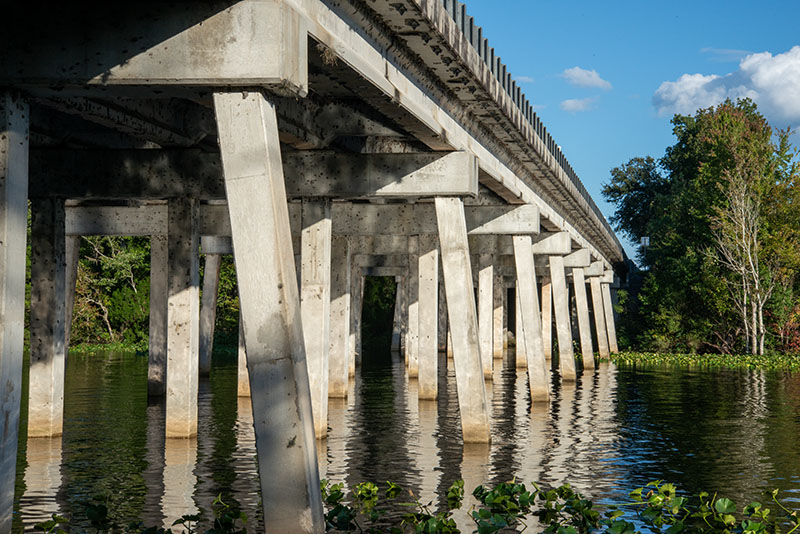
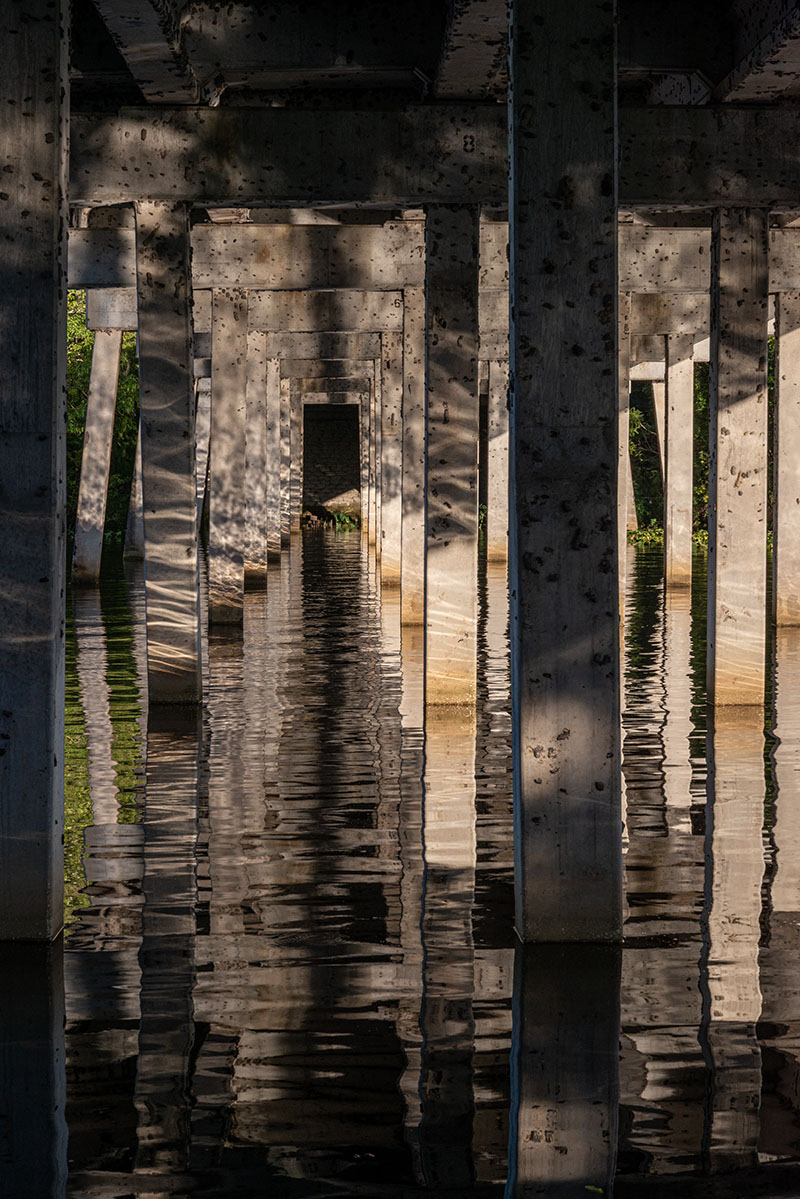
This bridge, on its own, is just a bridge. What matters is what began to happen when I stayed with it — what I noticed, what I chose to follow, where it led.
As Elliott Erwitt once described, photography is an act of observation — “finding something interesting in an ordinary place. It has little to do with the subject,
and everything to do with how you see it.”
When you stay with something long enough, the question shifts.
It’s no longer about what it is.
It’s about what begins to reveal itself.
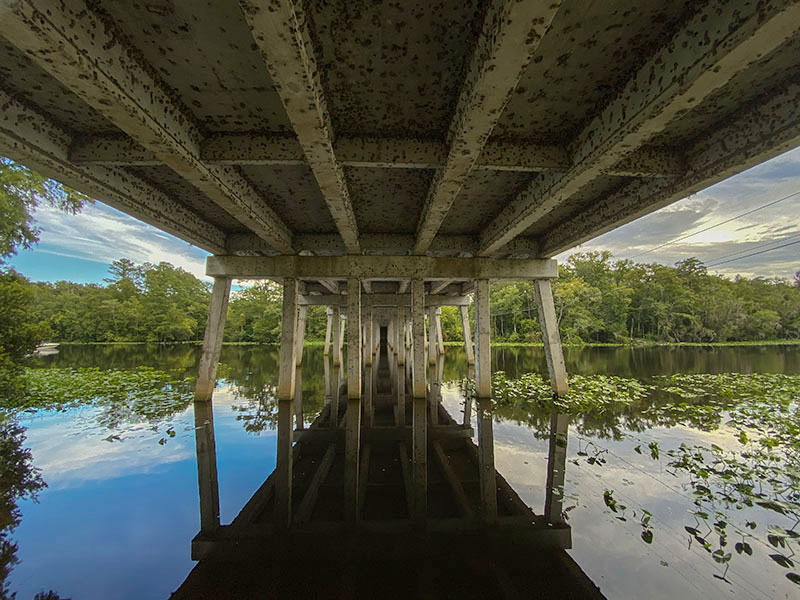
The lines become rhythm. The light becomes structure. The reflection becomes part of the image you’re building.
You’re no longer documenting the place. You’re responding to what you’re finding within it.
⸻
This is what exploration looks like through a lens.
Not a checklist of things to photograph. Not the search for the perfect shot. But a willingness to follow what draws your attention — and give it the space to unfold.
Because even with a plan, the real discoveries happen in the moment. In what catches your eye and holds it a little longer than everything else around it.
That’s where the photograph begins. Not in what you expected to find — but in what revealed itself when you stayed.
You don’t need to see everything. You don’t need to photograph everything.
You need to follow what draws you in. And let the image be the expression of that.
The scene didn’t change.
What I saw did.
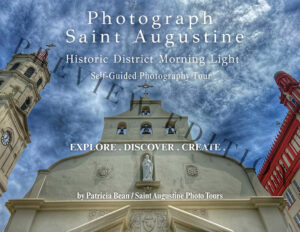
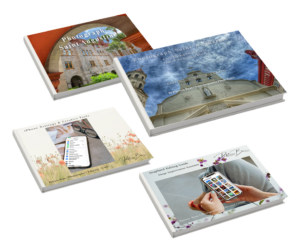
The Photograph Series Vol. 1 Saint Augustine Photography Experience was built around exactly this way of working —
following curiosity, reading light, and discovering what a place offers when you slow down enough to notice it.