
There’s a moment that most photographers recognize when traveling with others.
As the day is unfolding — plans in place, locations to visit, a natural rhythm takes shape to accommodate how everyone moves through the planed experience.
Moving in a group or even with one other person is going smoothly, and then something catches your photographers eye.
You slow down. Maybe you stop entirely.
And for just a moment, you feel it — that sense of interrupting the flow.
That you’re the one holding things up.
I’ve experienced that many times.
Photographers don’t move through a place the same way.
We notice differently.
We respond differently.
And what we take home from the experience is different.
Not objects or souvenirs, but images shaped by what we noticed and chose to hold onto.
That’s a different kind of memory.
And it asks for a different kind of pace.
When you’re traveling with others, that difference becomes something to work with — not against.
It also helps to recognize that everyone experiences a place differently.
What draws your attention may not be what interests someone else — and that’s part of traveling together.
When you honor those differences, the experience becomes easier to share.
It helps to think ahead — to honor your interests, and theirs, look for moments within it.
Small windows of time where the light, the setting, and the pace naturally come together.
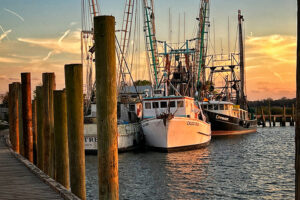
One of the simplest ways to do that is to plan around the light.
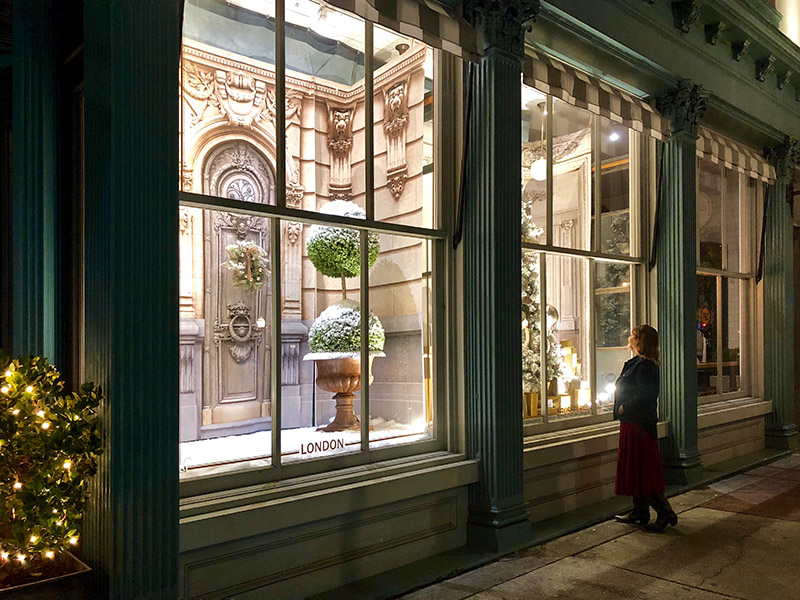
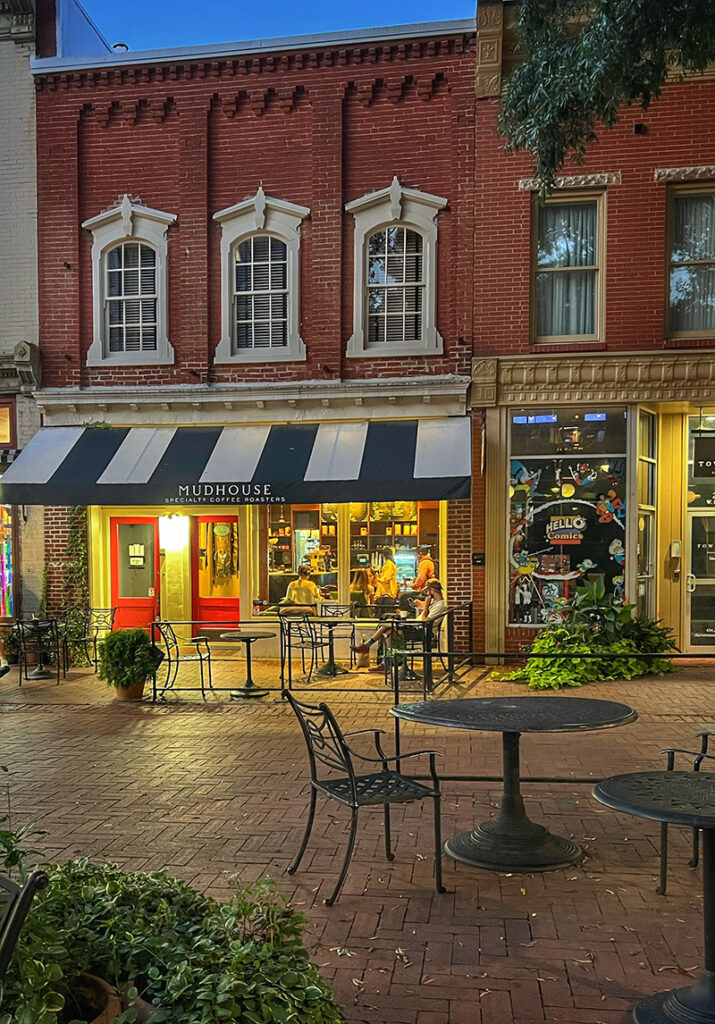
A early coffee near the waterfront.
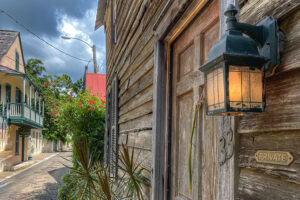
Dinner on a street that catches the last hour of sun.
When you build those moments in, you’re not asking anyone to wait —
you’re simply arriving somewhere beautiful at the right time.
Look for places that offer a little something for everyone — a shop to explore, a café to sit in, a street with enough detail to wander through.
Let others move into that experience in their own way.
And give yourself a little space within it.
Some of the most interesting photographs happen as you are simply exploring.
And over time, something else begins to happen.
You begin to recognize what’s drawing your attention more quickly — what the light is doing,
where the photograph might be.
When that becomes familiar, much of the work is already done before you even raise the camera.
The photograph comes together more easily, with very little interruption to the experience.
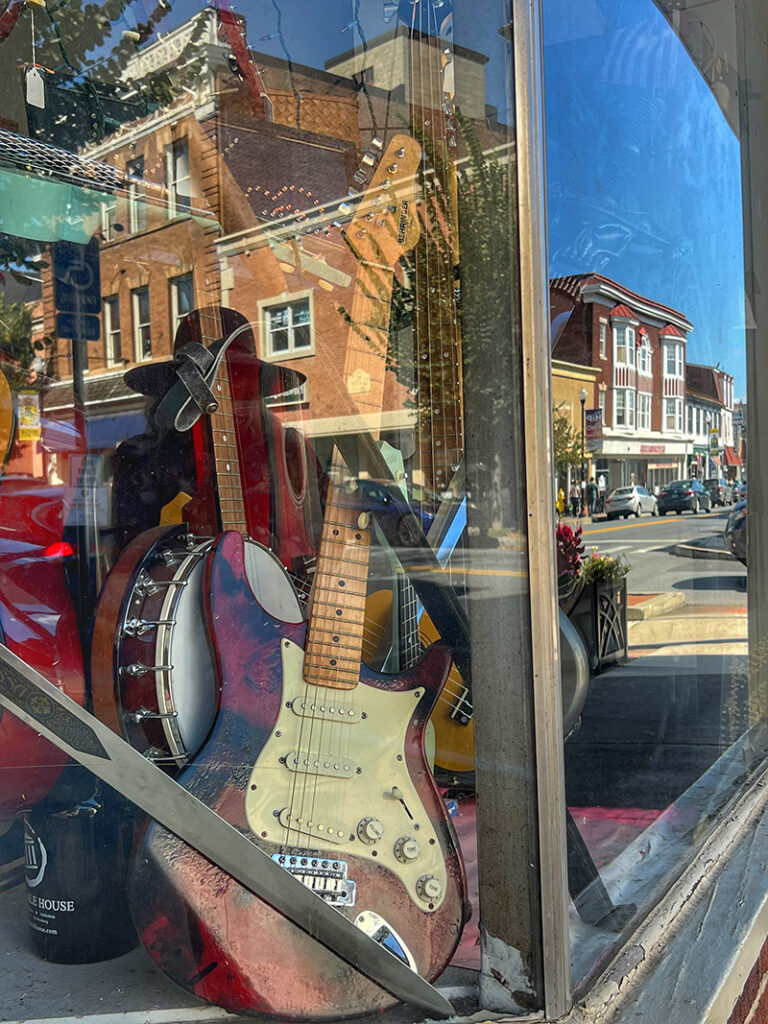
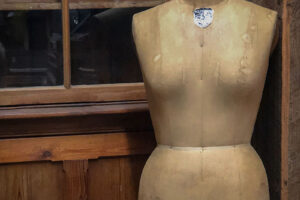
As you’re exploring look for reflections in shop windows.
Small vignettes of objects arranged just so.
Light falling across something unexpected.
Antique and second-hand shops are especially rich for this — layers of texture, history, and
detail.
And the people you’re traveling with can become part of the story.
The moment someone pauses over something that catches their attention.
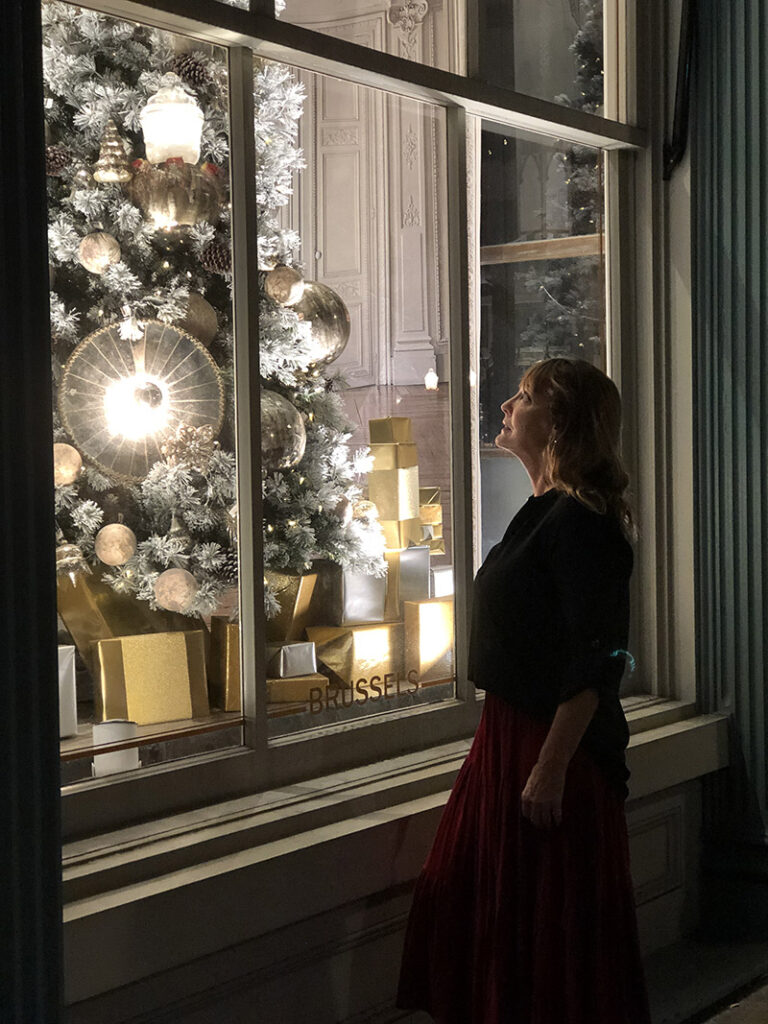
The way they hold it. The way they look at it.
When the light is right, those are photographs worth making.
You’re not stepping away from the experience.
You’re seeing something within it.
And when you allow for that — even in small ways — the tension begins to disappear.
Traveling with a camera doesn’t mean separating yourself from the people you’re with.
When you build those moments in, you’re not asking anyone to wait —
and you’re not stepping away from the group to photograph something on your own.
You’re still part of the shared experience, simply noticing more within it.
It means moving a little differently within the same space.
Not rushing past what catches your eye.
Not ignoring what draws your attention.
But learning how to stay connected — to the place, and to the people — at the same time.
That balance is part of the practice.
Continue the Practice
If you want to keep exploring this way of seeing, the Photograph Series Vol. 1 Saint Augustine gives you a place to practice it — in real settings, at a pace that allows you to notice what matters. An experience rich with interest for all who walk the ancient streets, at a pace that allows you to notice what matters.
Learn more here
Saint Augustine Photography Experience